
Cargo Hold Inspection Services
Cargo Hold Inspection Services
A cargo hold inspection is a technical survey performed before loading bulk cargo to verify that the vessel’s cargo holds are clean, dry and suitable for the intended cargo.
Marine cargo surveyors inspect cargo holds to ensure they meet international cleanliness standards and are free from residues, contamination or structural defects that could damage the cargo.
Hold inspections are particularly important for vessels transporting bulk commodities such as grain, fertilizers, coal, mineral concentrates or agricultural products.
Independent cargo hold inspection services help shipowners, charterers and cargo receivers ensure cargo safety and compliance with contractual requirements.
What Is a Cargo Hold Inspection
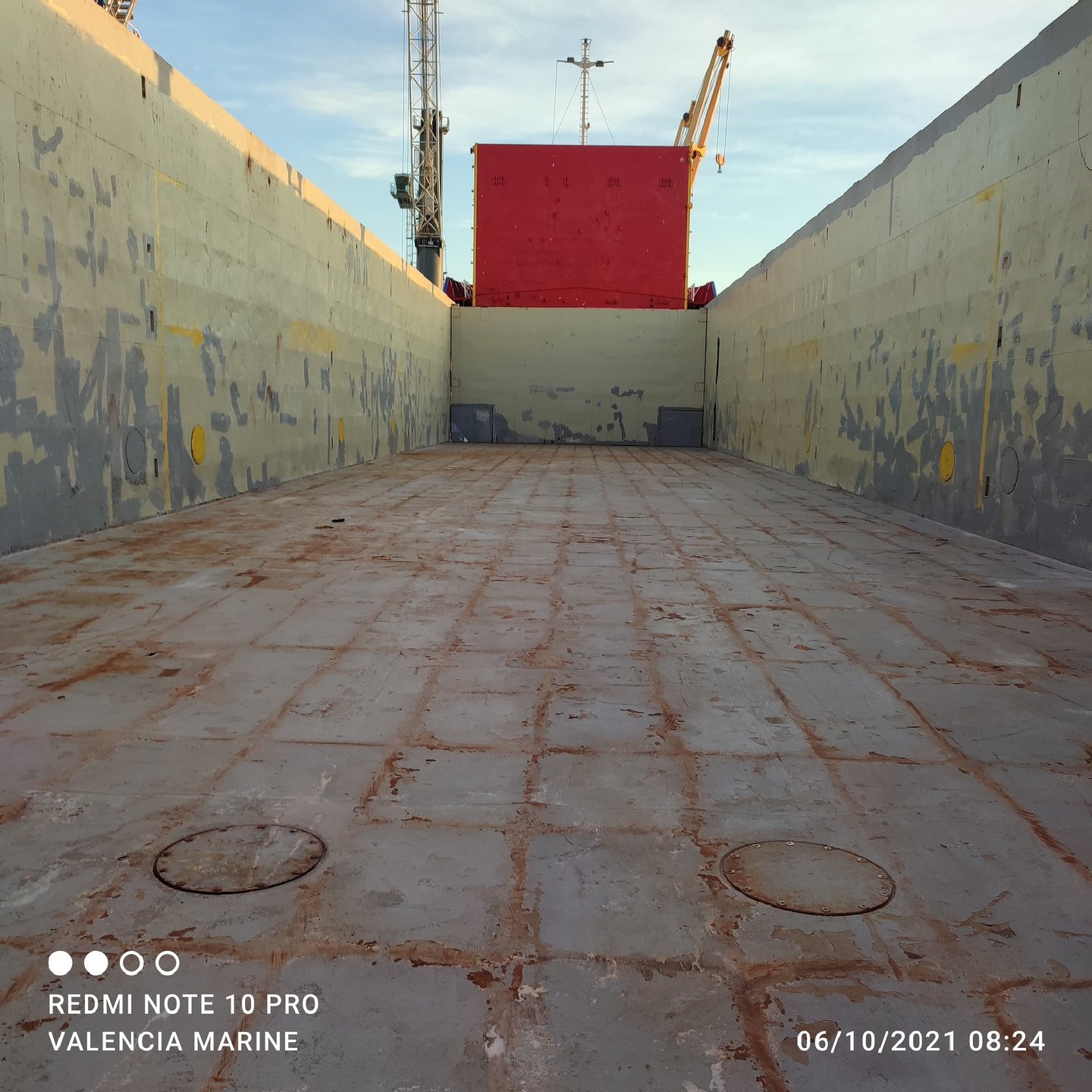
A cargo hold inspection is a survey conducted to confirm that a vessel's cargo compartments are suitable for loading a specific type of cargo.
The inspection ensures that cargo holds are clean, dry, and free from residues of previous cargoes that could contaminate the new cargo.
Cargo hold inspections are often required before loading sensitive commodities such as grain or fertilizers.
The surveyor verifies that the holds meet the cleanliness standards required by international maritime trade practices.


When Cargo Hold Inspections Are Performed
Cargo hold inspections are typically performed before bulk cargo loading operations begin.
The surveyor boards the vessel and inspects the cargo holds after cleaning operations are complete.
In some cases, hold inspections may also be conducted during cargo operations if contamination or structural concerns arise.
These inspections help confirm that cargo compartments are safe and suitable for the intended cargo.


Cargo Hold Inspection Procedures
During a cargo hold inspection, the surveyor performs a detailed examination of the vessel’s cargo compartments.
Typical inspection procedures include:
Visual inspection of cargo hold surfaces
Verification of hold cleanliness
Inspection for residues of previous cargo
Detection of moisture or water ingress
Verification of structural condition
These inspections ensure that cargo holds are suitable for loading the cargo without risk of contamination.


Cleanliness Standards for Cargo Holds
Cargo hold cleanliness is critical for preventing contamination of bulk cargo.
Surveyors verify that cargo holds meet the cleanliness standards required for the cargo type being transported.
Inspection criteria may include:
Absence of cargo residues
Dry cargo hold surfaces
No oil or chemical contamination
Structural integrity of bulkheads and frames
Meeting these standards ensures the cargo can be loaded safely.


Cargoes That Require Hold Inspections
Cargo hold inspections are commonly required for bulk cargoes transported by sea.
Typical cargoes include:
Grain
Fertilizers
Coal
Iron ore
Mineral concentrates
Agricultural commodities
These cargoes require clean cargo holds to prevent contamination or quality deterioration.


Importance of Cargo Hold Inspections
Cargo hold inspections help ensure that cargo is transported safely and that vessels meet contractual cleanliness requirements.
Hold inspections help:
Prevent cargo contamination
Protect cargo quality
Verify cargo hold suitability
Reduce cargo claims and disputes
Independent surveyors provide objective verification that cargo compartments are ready for loading operations.


Cargo Hold Inspection Reports
After completing the inspection, the marine surveyor prepares a cargo hold inspection report.
The report typically includes:
Vessel identification details
Description of cargo holds inspected
Cleanliness assessment
Photographic evidence
Surveyor observations and conclusions
These reports are frequently required by charterers, cargo owners, and marine insurers before cargo loading operations begin.


Who Requires Cargo Hold Inspection Services
Cargo hold inspections are commonly requested by:
Shipowners
Charterers
Commodity traders
Cargo receivers
Marine insurers
P&I Clubs
These stakeholders rely on hold inspections to ensure vessels are suitable for the cargo they intend to transport.


What is a cargo hold inspection?
A cargo hold inspection is a survey performed before loading bulk cargo to verify that the vessel’s cargo holds are clean, dry, and suitable for the intended cargo.
Frequently Asked Questions (FAQ)
Who performs cargo hold inspections?
Cargo hold inspections are performed by professional marine cargo surveyors experienced in maritime cargo inspection procedures.
Why are hold inspections required?
Hold inspections are required to prevent cargo contamination and ensure cargo holds meet the cleanliness standards required for specific commodities.
What happens if cargo holds are not clean?
If cargo holds are not sufficiently clean, loading operations may be delayed until the holds are cleaned and inspected again.
Independent Marine Cargo Surveyor Services
Professional cargo inspection, draft survey and marine cargo damage surveys for bulk carriers, container vessels and international maritime trade.