
Bulk Cargo Survey Services
Bulk Cargo Survey
A bulk cargo survey involves inspecting and supervising bulk cargo operations during loading and discharge in maritime transport.
Bulk cargo surveyors verify the condition, quantity, and handling of dry bulk commodities transported by vessels such as bulk carriers and general cargo ships.
Independent cargo survey services help ensure transparency during cargo operations and protect the commercial interests of shipowners, charterers, cargo traders, and marine insurers.
Typical bulk cargo inspections include monitoring cargo loading, verifying cargo condition, checking cargo holds, and documenting cargo handling procedures throughout the operation.


What Is a Bulk Cargo Survey
A bulk cargo survey is a maritime inspection performed to verify the condition, quantity, and handling of bulk commodities transported by sea.
Bulk cargo surveyors supervise cargo operations and confirm that loading and discharge procedures comply with contractual requirements and international maritime practices.
Bulk cargo inspections often involve monitoring cargo handling, verifying cargo quantities, assessing cargo condition, and preparing independent inspection reports.
Bulk cargo surveys are essential in international maritime trade, where large volumes of commodities are transported between ports worldwide.


Types of Bulk Cargo Inspected
Bulk cargo surveyors commonly inspect dry bulk commodities transported by bulk carriers.
Typical cargoes include:
Grain
Coal
Iron ore
Fertilizers
Cement
Scrap metal
Mineral concentrates
Agricultural products
Each type of bulk cargo requires specific inspection procedures depending on its characteristics, moisture sensitivity, and handling requirements.


Bulk Cargo Discharge Inspection
Bulk cargo surveys are also performed during cargo discharge operations at the receiving port.
Cargo surveyors monitor the discharge process to verify that cargo is delivered in the same condition as when it was loaded.
Typical inspection tasks during discharge include:
Monitoring cargo discharge operations
Checking cargo condition upon arrival
Verifying cargo quantities
Identifying possible cargo damage or contamination
Discharge inspections help determine whether cargo damage occurred during transport.


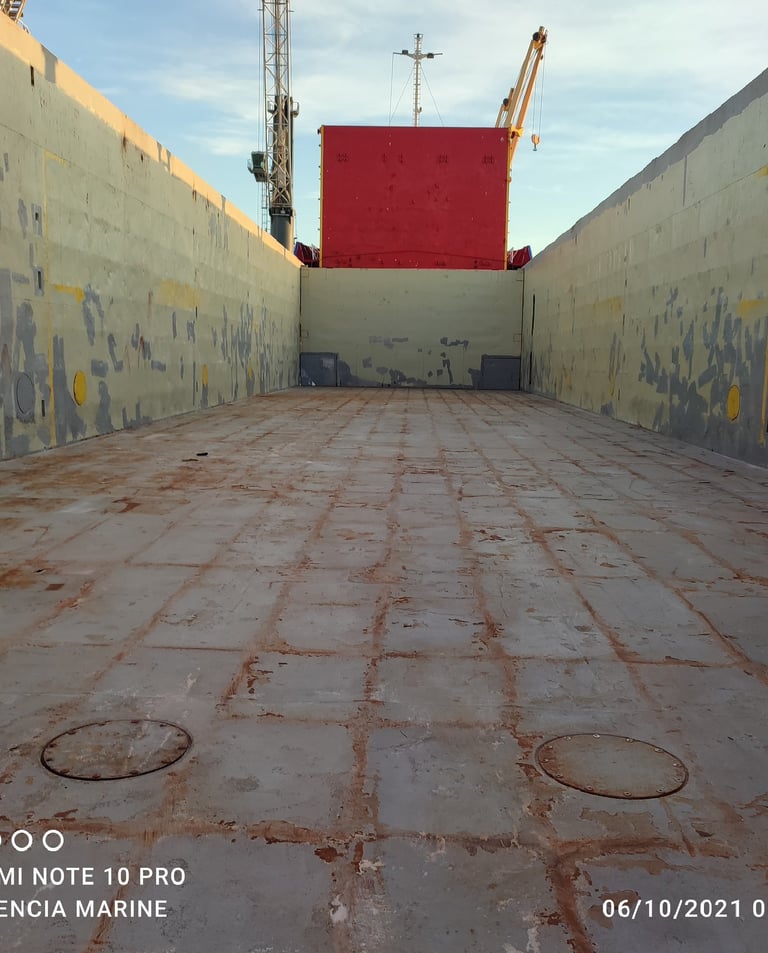
Cargo Hold Inspection for Bulk Cargo
Before bulk cargo is loaded, cargo surveyors inspect vessel cargo holds to ensure they are suitable for the intended cargo.
Cargo hold inspections may include checking:
Hold cleanliness
Structural condition of cargo holds
Presence of residues from previous cargoes
Moisture or contamination risks
Hold inspections are essential for commodities such as grain or fertilizers that require clean cargo compartments.
Bulk Cargo Condition Assessment
Bulk cargo surveyors assess the physical condition of cargo throughout the operation.
Inspection procedures may include:
Visual cargo inspection
Sampling procedures
Monitoring cargo handling
Identifying contamination risks
Bulk cargo condition inspections help prevent cargo claims and ensure compliance with shipping contracts.


Who Requires Bulk Cargo Surveys
Bulk cargo survey services are commonly requested by:
Shipowners
Charterers
Commodity traders
Cargo receivers
Marine insurers
P&I clubs
Port terminals
Independent surveyors provide neutral verification of cargo operations to reduce disputes between commercial parties


Bulk Cargo Survey Reports
After completing the inspection, the cargo surveyor prepares a bulk cargo survey report.
The report typically includes:
Description of the cargo inspected
Details of loading or discharge operations
Cargo condition observations
Photographic evidence
Technical conclusions
Survey reports provide valuable documentation for shipping companies, traders and insurers


Why Independent Bulk Cargo Surveyors Are Important
Independent cargo surveyors provide objective inspection and reporting during maritime cargo operations.
Bulk cargo surveys help:
Prevent cargo disputes
Verify cargo quantities
Document the cargo condition
Support insurance claims
Professional cargo survey services improve transparency and reliability in maritime cargo transportation.
What is a bulk cargo survey?
A bulk cargo survey is an inspection carried out to verify the condition, quantity, and handling of dry bulk commodities transported by vessels during loading and discharge operationsç
Frequently Asked Questions (FAQ)
When Should a Cargo Survey Be Conducted?
Cargo surveys can be conducted before loading, during loading operations, during discharge, or after delivery. Surveys are commonly requested for bulk, breakbulk, liquid, and containerized cargo.
Why is a Cargo Survey Important?
AA professional cargo survey helps prevent cargo damage, quantity discrepancies, and handling disputes during maritime transport. Independent verification ensures that cargo is properly handled, loaded, stowed, and documented in accordance with international maritime standards.
Who Requires Cargo Survey Services?
Our cargo survey services are requested by:
Shipowners
Charterers
Commodity traders
Freight forwarders
Shipping companies
Marine insurers
Logistics operators
These inspections ensure accurate cargo verification and operational transparency.
What Does a Cargo Surveyor Do?
A marine cargo surveyor supervises cargo operations and performs inspections such as:
Monitoring loading and discharge operations
Verifying cargo quantities and conditions
Inspecting cargo packing, stowage, and securing
Conducting cargo sampling when required
Documenting cargo handling procedure
Issuing detailed cargo survey reports
These inspections help reduce cargo claims and operational disputes.
Do You Provide Official Cargo Survey Reports?
Yes. After each inspection, we provide professional cargo survey reports including cargo condition observations, quantity verification, operational notes, and photographic documentation. These reports are used by shipowners, charterers, traders, and insurers for operational records and claim prevention.

Independent Marine Cargo Surveyor Services
Professional cargo inspection, draft survey and marine cargo damage surveys for bulk carriers, container vessels and international maritime trade.