

Draft Survey Services
Draft Survey
A draft survey is a maritime inspection method used to determine the weight of cargo loaded or discharged from a vessel by measuring the ship's displacement before and after cargo operations.
Draft surveyors perform technical measurements and calculations based on vessel draft readings, hydrostatic data, and ballast quantities to determine the exact cargo weight handled during port operations.
Draft surveys are widely used in the international shipping industry, particularly for bulk carriers transporting commodities such as grain, coal, fertilizers, iron ore, and scrap metal.
Independent draft survey services provide reliable cargo quantity verification for shipowners, charterers, commodity traders, and marine insurers.


What Is a Draft Survey
A draft survey determines cargo weight by calculating the difference between a vessel’s displacement before and after loading or discharge operations.
This method relies on hydrostatic principles and vessel stability data to convert draft measurements into displacement values.
The difference between the initial and final displacement represents the weight of cargo loaded or discharged.
Draft surveys are commonly used for vessels carrying bulk cargo when direct cargo weighing is not possible.


When Draft Surveys Are Performed
Draft surveys are typically carried out during two main stages of maritime cargo operations:
Initial Draft Survey
Performed before cargo operations begin.
The surveyor records the vessel’s draft readings and verifies ballast quantities to establish the vessel's initial displacement.
Final Draft Survey
Performed after cargo operations are completed.
The surveyor records new draft measurements and calculates the vessel's final displacement.
The difference between the initial and final displacement determines the cargo weight.


Draft Survey Procedure
A typical draft survey involves several technical steps carried out by an experienced marine surveyor.
Draft Reading
Draft marks are read at several locations on the vessel:
Forward draft
Midship draft
Aft draft
These measurements determine the vessel’s immersion in the water.
Water Density Measurement
Seawater density is measured at the port location using a hydrometer.
Water density affects vessel buoyancy and must be considered in displacement calculations.
Ballast Verification
Ballast tanks are inspected, and ballast water quantities are verified.
Changes in ballast quantities can affect displacement calculations.
Trim and List Corrections
Trim and list corrections are applied when the vessel is unbalanced.
These corrections ensure accurate displacement calculations.
Hydrostatic Calculations
Hydrostatic tables are used to convert draft readings into vessel displacement.
This information allows the surveyor to determine the cargo weight.


Vessels Commonly Subject to Draft Surveys
Draft surveys are commonly performed on vessels transporting bulk commodities.
Typical vessel types include:
Bulk carriers
General cargo ships
Self-unloading bulk vessels
Multi-purpose cargo vessels
These vessels transport large quantities of bulk materials, for which weight verification is required for commercial transactions.


Cargoes Verified by Draft Survey
Draft surveys are typically used to determine cargo quantities for commodities such as:
Grain
Coal
Iron ore
Fertilizers
Cement
Scrap metal
Mineral concentrates
Accurate cargo quantity verification is essential for trade contracts and cargo documentation.


Importance of Draft Surveys
Draft surveys provide independent verification of cargo quantities during maritime operations.
They help:
Prevent commercial disputes between shipping parties
Verify cargo quantities for trading contracts
Provide documentation for cargo claims
Ensure transparency during cargo operations
Independent draft surveyors provide neutral technical assessments that protect the interests of all parties involved in cargo transportation.


Draft Survey Reports
After completing the survey, the marine surveyor prepares a draft survey report documenting the cargo quantity calculations.
The report typically includes:
Vessel identification details
Draft readings recorded during inspection
Water density measurements
Ballast quantities verified
Hydrostatic calculations
Final cargo weight determination
These reports are often used for commercial verification, cargo documentation and insurance purposes.


Who Requires Draft Survey Services
Draft surveys are commonly requested by:
Shipowners
Charterers
Commodity traders
Cargo receivers
Marine insurers
P&I Clubs
Port terminals
These stakeholders rely on draft survey services to verify cargo quantities during maritime cargo operations.


What is a draft survey used for
A draft survey is used to determine the weight of cargo loaded or discharged from a vessel by measuring the ship's displacement before and after cargo operations.
Frequently Asked Questions (FAQ)
How accurate is a draft survey
When performed correctly, draft surveys provide highly accurate cargo weight estimates and are widely accepted in international maritime trade.
Who performs draft surveys?
Draft surveys are performed by professional marine surveyors trained in hydrostatic calculations and vessel displacement measurements.
What equipment is used during a draft survey
Draft surveys typically use measuring tapes, hydrometers, sounding tapes, hydrostatic tables, and vessel stability data.
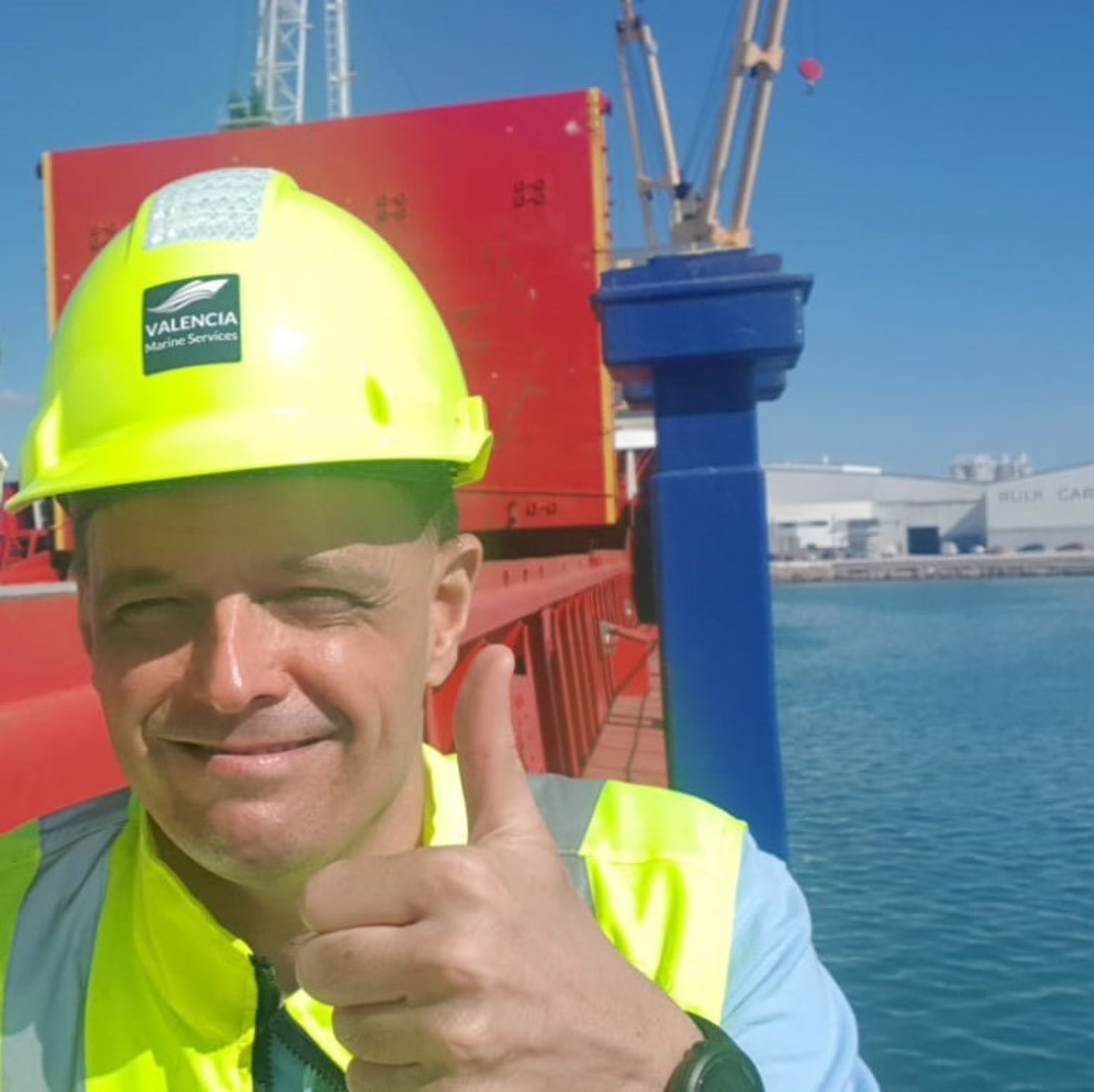
Independent Marine Cargo Surveyor Services
Professional cargo inspection, draft survey and marine cargo damage surveys for bulk carriers, container vessels and international maritime trade.